Coordinating Painting Projects in Occupied Office and Retail Spaces
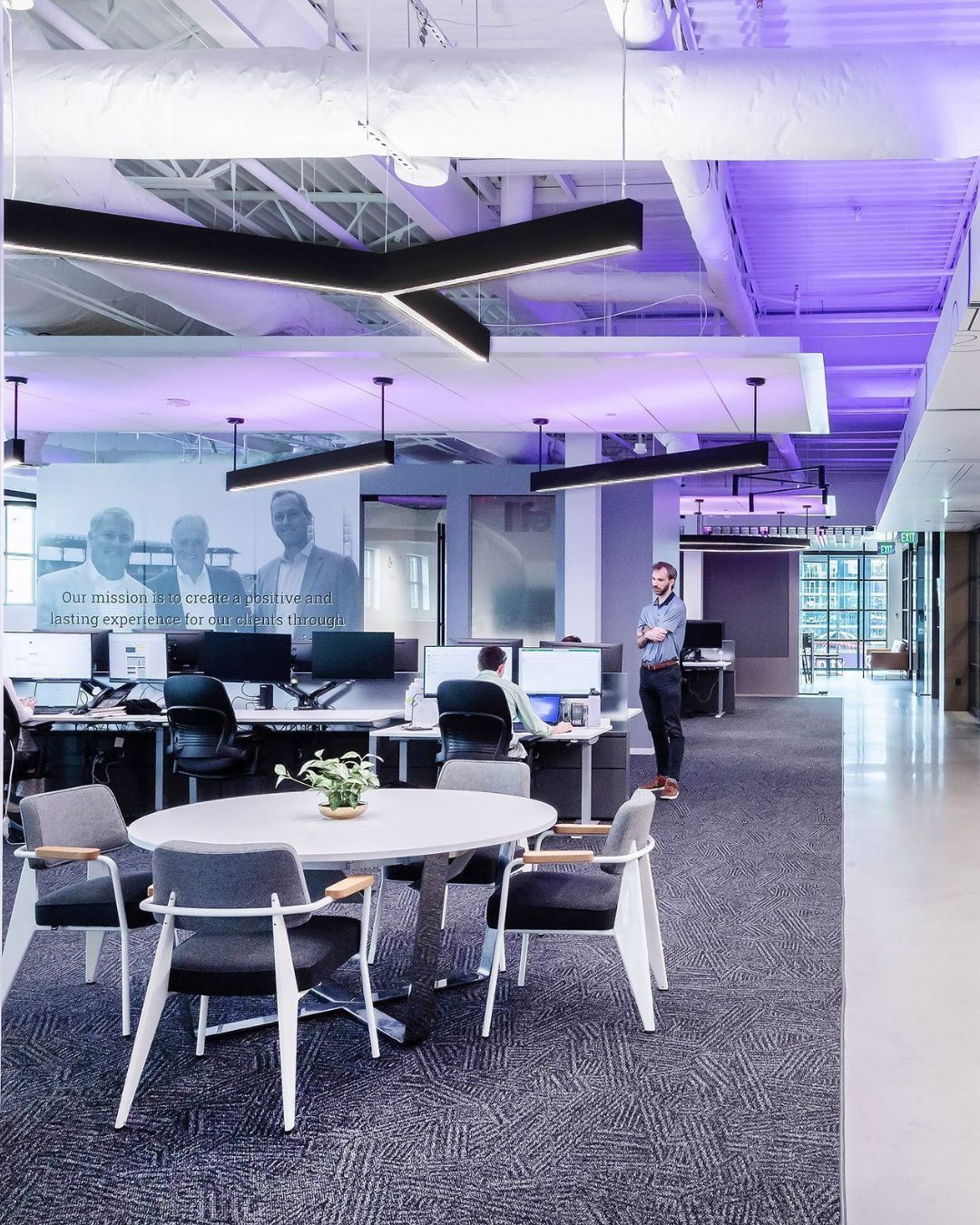
Repainting a busy office or retail environment presents a unique challenge: work and customer activity must continue while the space is being refreshed. With the right coordination, planning, and communication, it’s possible to complete a professional repaint efficiently without disrupting business operations or impacting productivity.
Understanding the Challenges of Painting Occupied Spaces
Painting in an active commercial environment requires careful attention to timing, safety, and cleanliness. Offices have employees working throughout the day, while retail stores need to stay welcoming to customers. Balancing these demands takes experience and organization.
Balancing Productivity and Appearance
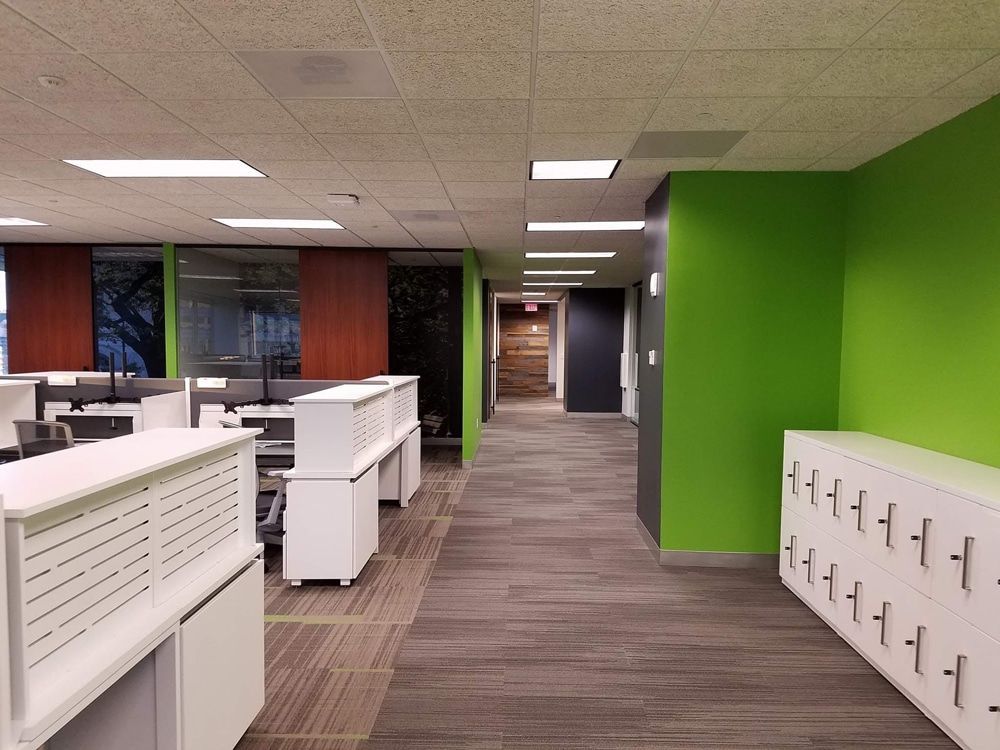
The goal of repainting is to improve the space without interrupting the daily flow of business. Painters and property managers must coordinate schedules so that work enhances appearance while minimizing interference with staff or customers. A well-planned project can modernize a space while keeping everyone productive and comfortable.
Managing Noise, Odor, and Safety Concerns
Noise and odor are common concerns during painting. Choosing low-odor, fast-drying coatings and ensuring proper ventilation helps maintain a safe, pleasant atmosphere. Coordinating quiet work hours and limiting equipment use during peak business times keeps the environment calm and professional.
Planning a Painting Schedule That Works
Flexibility is key when painting occupied spaces. Scheduling after-hours or weekend work, or dividing large projects into smaller sections, allows painters to work efficiently while minimizing disruptions.
Off-Hours and Weekend Painting
Many businesses choose evening or weekend painting to avoid interfering with operations. This approach keeps staff productive during normal hours and ensures that the space looks fresh by the time customers or employees return.
Phased and Sectional Work Plans
Breaking large projects into smaller sections allows teams to focus on one area at a time. By completing one section before moving to the next, tenants can continue using most of the space without obstruction, keeping daily routines intact.
Clear Communication and Coordination
Successful repainting in occupied spaces depends on clear communication among all parties. Property managers, tenants, and the painting crew should share updates and expectations from start to finish.
Tenant and Staff Notifications
Early notification helps everyone plan accordingly. Inform tenants or staff about when and where painting will occur, what areas will be closed temporarily, and how long each phase will last. Regular progress updates help reduce confusion and maintain trust.
Onsite Supervision and Daily Check-Ins
Dedicated project leads ensure that schedules stay on track and that any tenant concerns are handled quickly. Daily check-ins help confirm progress, safety compliance, and site cleanliness throughout the project.
Maintaining Safety and Professionalism During Work
Safety is a top priority when painting occupied buildings. Professional crews follow OSHA guidelines, use proper containment, and maintain clean work areas at all times.
Low-odor and quick-drying paints are often used in occupied offices and retail spaces to minimize disruption. Attention to detail and a respectful approach reflect positively on both the property management team and the painting contractor.
How Integrity Finishes Keeps Office and Retail Projects Running Smoothly
Integrity Finishes specializes in coordinating commercial painting projects across Georgia, including busy office complexes and retail centers. Their experienced team manages logistics, scheduling, and communication to keep each project efficient and disruption-free.
Property owners and managers can trust Integrity Finishes to deliver professional results without interrupting business operations. To discuss an upcoming project or maintenance plan, contact Integrity Finishes for a consultation.